

What's Happening at Summerside? Subscribe to the Weekly Briefing
Worship Corner
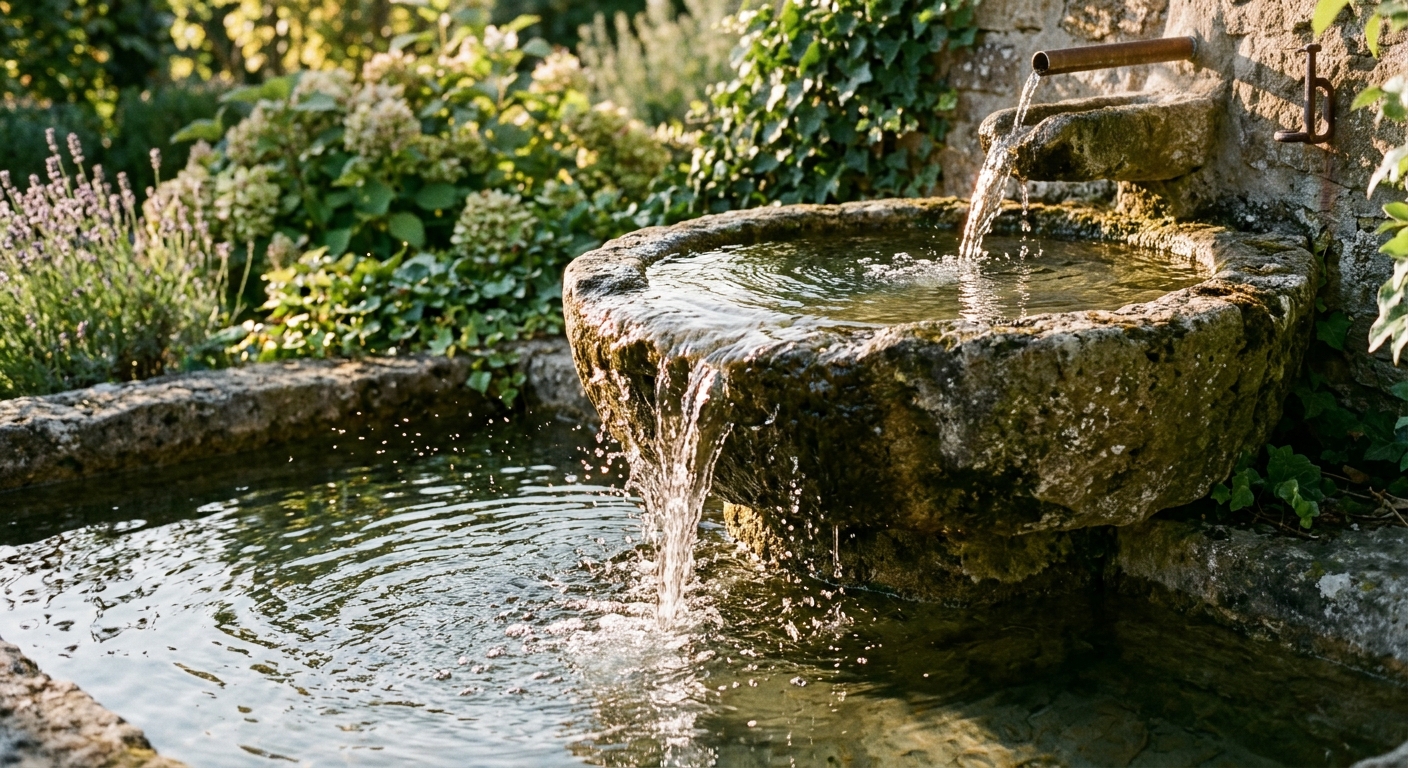
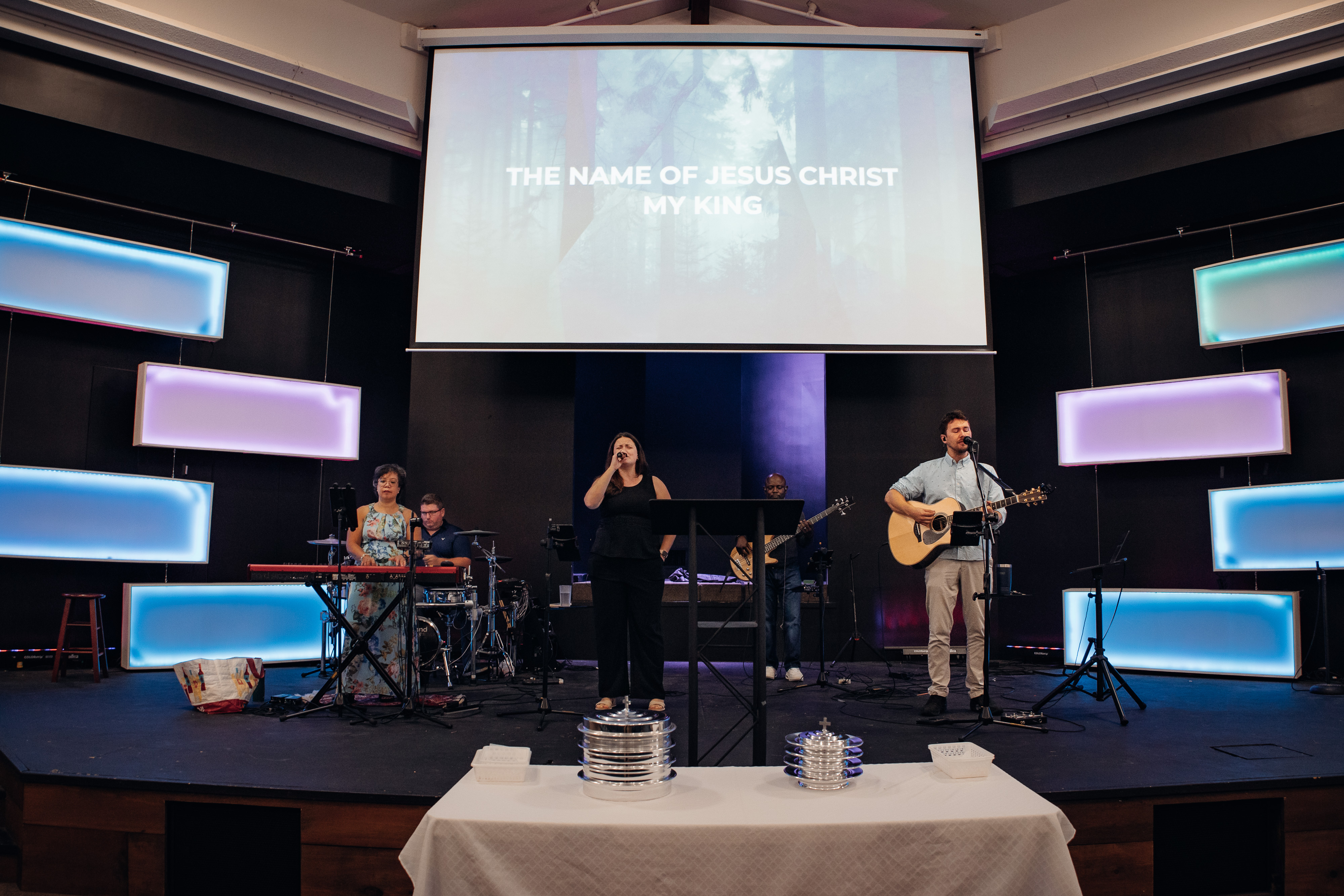
Perhaps you’ve heard of the famous Dead Sea, located at the end of the Jordan River. It’s known for its unusually high salt and mineral levels (roughly 10 times higher than typical ocean water). Most fish and other living creatures that get swept into the sea via the Jordan River die almost instantly from the extreme salinity. That is why it’s called the Dead Sea, as it cannot support life. We’ve been talking a lot about dead and living faith in our Proof of Life series in James. On November 15th, we heard about how works are the lived out proof of what has already happened internally. Works themselves don’t save us, but it is what we were created for (Eph 2:10). Legalism is of no use, rather, because of Christ’s love in us, the Holy Spirit compels us toward love and good deeds. Works are the evidence of our faith, not the cause. Now I’m going to make an assumption here, and talk to you assuming you have a faith that is genuine. I was thinking about how we sometimes go through what “dry spells” in our faith, and how that connects to Ephesians 4:30. He warns believers not to grieve the Holy Spirit. Verse 30 sits within a larger section that the New Living Translation titles “Living as Children of Light.” So, how do works play into a dry spell? When I read Ephesians 4, I tend to focus on all the “don’ts” listed, but there are action items too. God calls us to use our spiritual gifts for works of service, to build up the body, to do useful work with our hands so we can share with those in need, and to use our words to encourage others. All of those actions are outward. They flow from an internal source, but they aren't meant to be kept private through a purely introspective faith. They require a lived faith. So, where am I going with all this? Isn’t this post supposed to be about worship? I told you about the Dead Sea, but have you ever wondered why it got so salty in the first place? On the surface, it doesn't make sense, the Jordan River supplies the Dead Sea with millions of gallons of fresh, low-salt water every day. The answer? There’s no overflow. Because the Dead Sea is landlocked and far below sea level, no rivers run out of it. As the water evaporates, the salt stays behind, and the sea just keeps getting saltier. Lots of salt is deposited, but none is distributed. Worship is about overflow. As we experience who God is and recognize what He has done, we proclaim the works of His hands and praise Him together. However, God has also called us to partner with Him. If we keep our faith strictly between us and God, we’re probably not doing a great job of listening to Him and I think this grieves the Holy Spirit. Our faith is meant to overflow to tell the world who Jesus is and to spur one another on toward love and good works. Jesus calls us to be the salt of the earth, but salt is only useful when it’s applied. We may have a massive supply of salt, but it doesn't do any good until we rub it into the meat. This isn’t a call to pull ourselves up by our bootstraps and try harder. It’s an invitation to tune in to what God is calling us to do, step out in faith, and ask His Spirit to strengthen us to live boldly. As living streams flow out from us, God carries that salt to others. We are a holy priesthood (1 Peter 2:5). When we partner in Kingdom work and let our faith overflow, we actually have more to sing about because we can observe God actively working through our lives. Our faith moves from mere knowledge to lived practice. While orthodoxy (believing rightly) and orthopraxy (living rightly) are both vital, it is orthopathy (having a right heart) that brings belief and action to work hand in hand as a right heart comes from God. When we gather to worship, we celebrate what God is doing in our midst through His Church, by the power of His Spirit, and within His will. Worship fuels us forward. As we live in obedience, God is glorified, the Holy Spirit is not grieved, and we are sustained by His power and continuing to overflow in lives of worship. It’s like a great water cycle where every component works together (unlike the Dead Sea): a lived-out faith becomes an ever-expanding river of life, bringing vitality wherever it goes. Let’s put our salt to work this week. We’ll have even more to sing about together on Sunday as we share stories of God’s faithfulness, and marvel at how the Lord chooses to use us for His Kingdom purposes.




Collections



Copyright 2026 Summerside Community Church
All Rights Reserved.